Biosecurity Tasmania (part of Natural Resources and Environment) is working on legislation to introduce tighter controls over the growing of berries, leafy greens and melons in the state says Jennifer Stackhouse, but it has caused outrage among gardeners.
According to Biosecurity Tasmania, the proposed legislation is in line with Australia-wide legislation in response to food health and safety recommendations relating to Australia and New Zealand’s food safety standards. The legislation is around ensuring traceability of produce if there’s an outbreak in case of food borne disease.
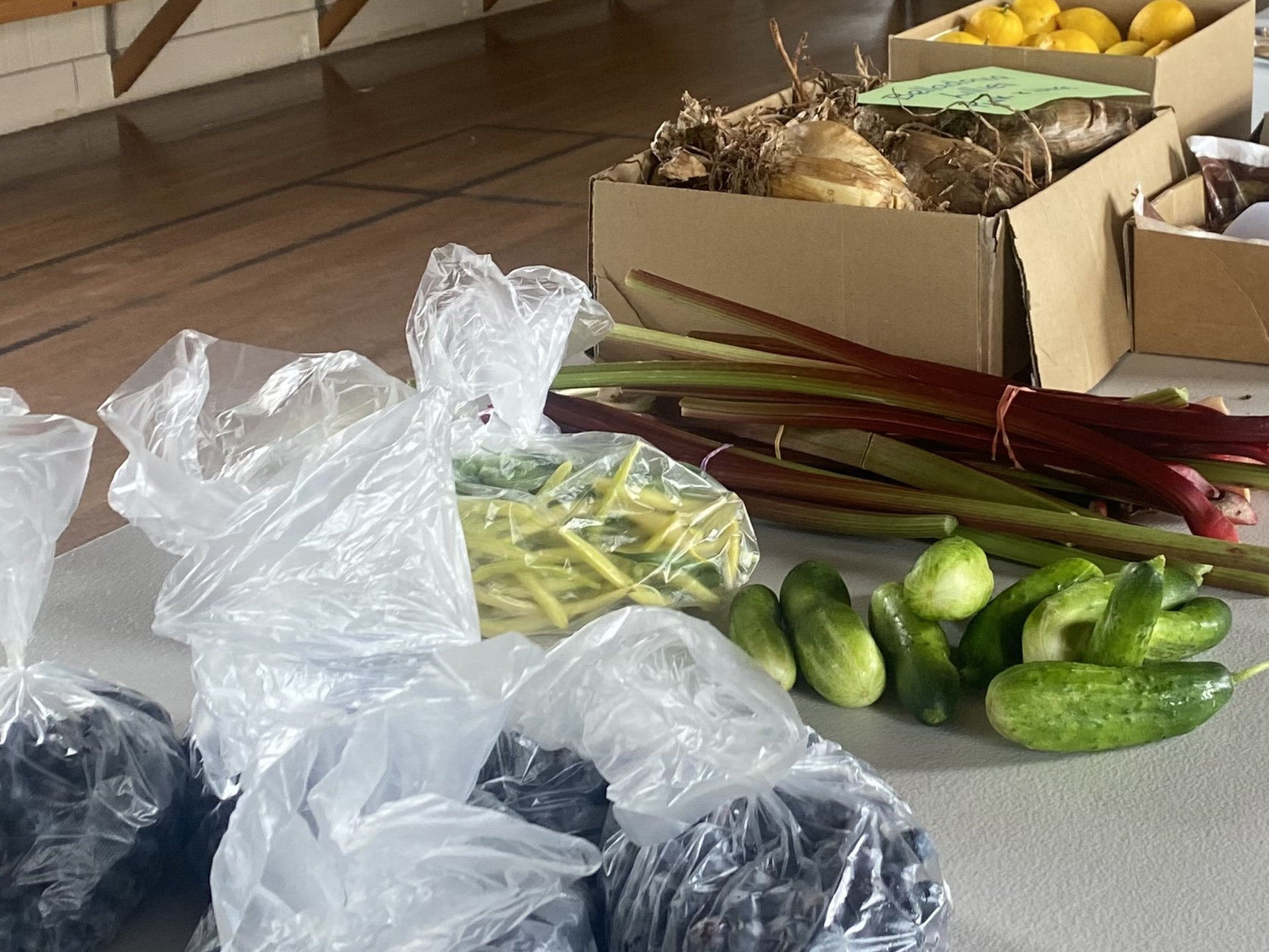
The proposed legislation, which had reached Phase 2 and was planned for introduction in the last quarter of the year, included a three-tier system with home gardeners who ‘supply’ berries, leafy greens (including herbs) or melons to others included in Tier 1 along with small commercial growers. Supply included giving, donating and sharing.
While Biosecurity Tasmania had waived fees and offered a one-off registration, they were still requiring a lot of information from home gardeners – the template for those growing leafy greens ran to more than 30 pages and required testing of soils, composts and water among other things.
With the deadline for submissions around the legislation looming at the end of July, legislators were bombarded with submissions from home gardeners, garden clubs and their members, community gardens, neighbourhood houses, food charities and others about the iniquity of the legislation. Social media was flooded with complaints as was mainstream media.
Tasmanian Premier, Jeremy Rockliff, finally stepped in sending the legislation back to the drawing board to ensure it doesn’t affect Tasmanian’s ability to freely share fresh produce.
“This morning, I can announce that the department has been directed to go back to the drawing board and come back with a better plan that does not impact backyard growers,” said the Premier. “One that clearly acknowledges the difference between backyard growers, local producers and major commercial operations.
“And I want to be clear on this.
“No changes will be approved that makes it harder for Tasmanians to grow, share, donate or sell small amounts of fresh local produce in their communities.
Not one.”
Gardeners are rejoicing at the news of the backflip but are also standing by for what comes next.