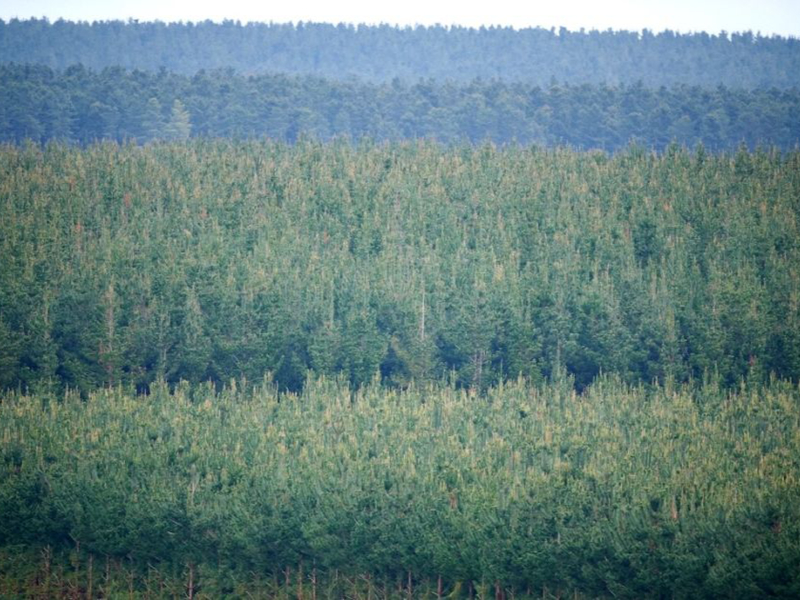
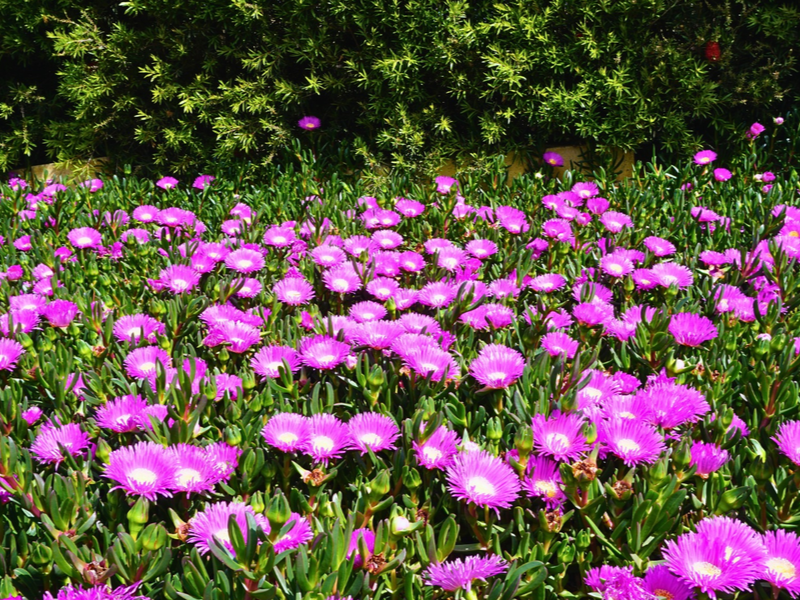
Coastal gardens are associated with a kind of relaxed beauty over the summer months, but the conditions of a frontline coastal position can be very difficult to grow within. Salt-laden winds, dry soils and reflected heat can leave plants looking worse for wear, and will eventually leave bare spots if the wrong plant selections are made.
Distance and protection from the actual coast is a big part of the story. Frontline positions need plants that can cope with direct coastal winds and salt spray, while protected positions behind a windbreak allow a broader planting palette. Coastal soils are often sandy, but heavier soils and places where water periodically sits need a different approach again.
The coastal aesthetic typically features glaucous blue-grey foliage, fine strappy leaves, low spreading groundcovers and softly rounded shrubs. Ozbreed’s selected forms offer different colours, textures and functions, allowing gardeners and professionals alike to build a coastal garden around the conditions they actually have.
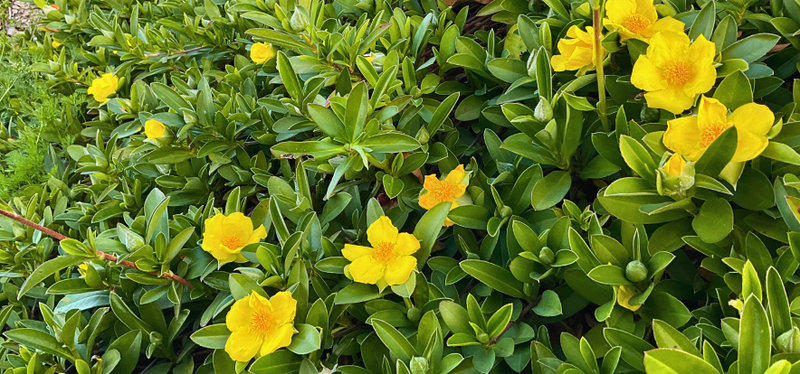
Hibbertia scandens ‘HBS01’ PBR Trade Name Groundswell™ & Hibbertia scandens ‘HBS02’ PBR Trade Name Straightup™
The same species of rambler can perform very different jobs when the right forms are selected. Groundswell™ Hibbertia is a more prostrate, compact groundcover for mass planted beds, embankments and cascading down retaining walls. Straightup™ Hibbertia has less of a groundcovering habit, preferring to climb fences and screens with the added interest of tones of purple foliage during winter. Both offer bright yellow flowers year-round to support beneficial insects.
Groundswell™ plant page
Straightup™ plant page
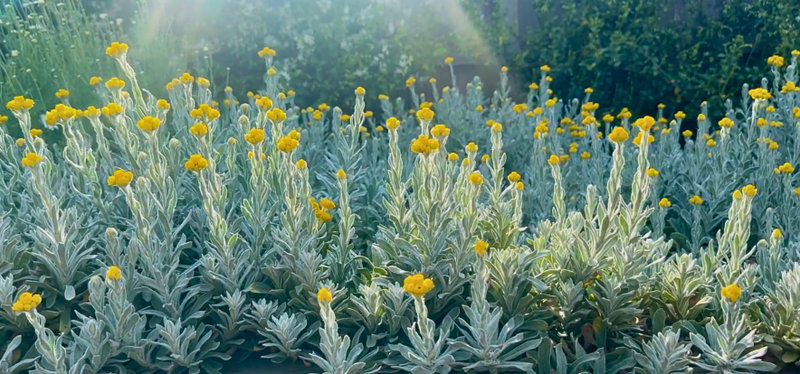
Chrysocephalum apiculatum ‘CAP07’ PBR Intended Trade Name Aussie Reflection™
Yellow buttons bring a familiar Australian wildflower aesthetic, but many forms disappear once conditions become difficult. Aussie Reflection™ Chrysocephalum combines cool-toned foliage with vibrant yellow flowers, while spreading stolons and rhizomes provide additional roots and energy reserves to help it recover after drought and frost. It is useful for softening coastal planting schemes where drainage is good.
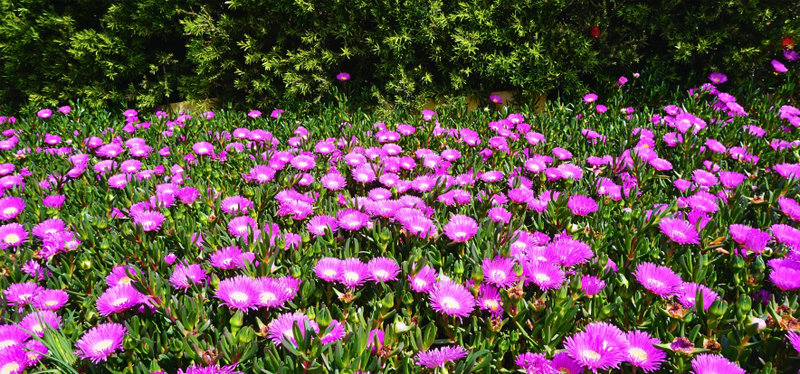
Carpobrotus glaucescens ‘CAR10’ PBR Trade Name Aussie Rambler™
Australian pigface is a familiar sight along the coast, with fleshy leaves and trailing stems that suit the relaxed look of a seaside garden. Aussie Rambler™ Carpobrotus adds extra-large deep pink flowers and a low spreading habit. It also copes with heavier soils better than many forms, although prolonged wet feet should still be avoided. While it’s a great sand dune coloniser, it does have heavy succulent foliage and shallow roots so is best for non-steep slope gradients.
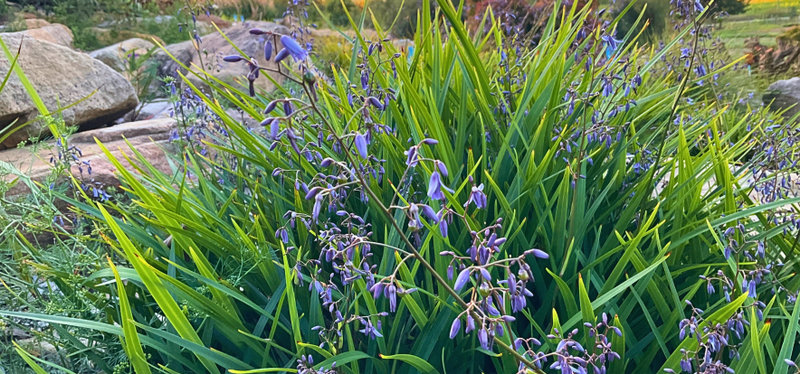
Dianella caerulea ‘DCNC3’ PBR Trade Name Baby Breeze™
A coastal palette usually benefits from some deep green. Baby Breeze™ Dianella provides dark green strappy foliage that contrasts with silver shrubs and blue-toned plants, along with blue flowers and berries. Its low spreading habit forms a dense mat, helping protect soil and suppress weeds once established. It handles coastal winds and sandy soils, while its spreading rhizomes allow it to reshoot after cutting back.
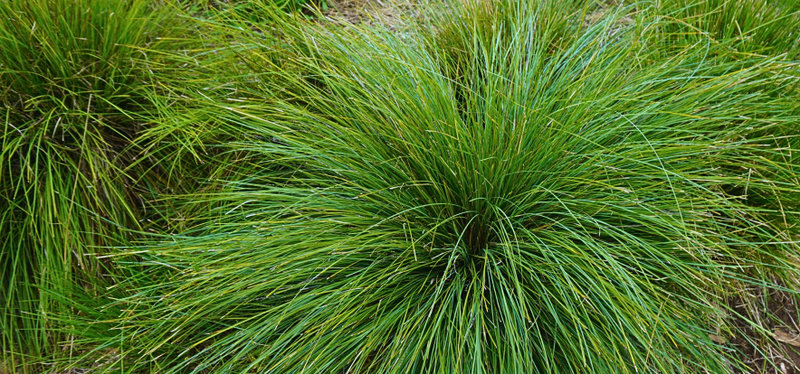
Lomandra fluviatilis ‘LM380’ PBR Trade Name Shara Blue™
Blue-green foliage and fine strappy texture make Shara Blue™ Lomandra a natural aesthetic fit for coastal gardens. Its ability to cope with wet soils as well as drought makes it particularly useful where a coastal garden has heavier soil or receives runoff. We haven’t specifically tested this plant in frontline coastal salt exposure, though we have no reason to doubt its frontline tolerance, but it’s definitely suitable if you have a little bit of protection.
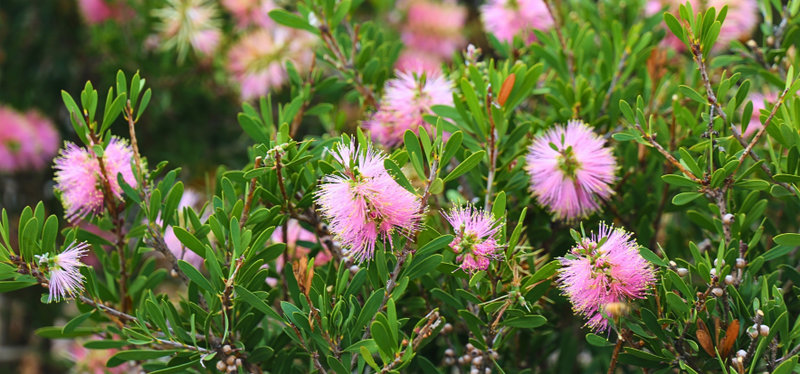
Callistemon spp. ‘CNU15’ PBR Trade Name Sweet Burst™ & Callistemon spp. ‘CNU07’ PBR Trade Name Snow Burst™
Compact bottlebrushes can add a softer floral layer. Sweet Burst™ Callistemon produces baby pink flowers in spring while Snow Burst™ Callistemon offers white spring flowers. Their fine dark green foliage contrasts with glaucous groundcovers, while the flowers attract beneficial insects and native birds.
Sweet Burst™ plant page
Snow Burst™ plant page
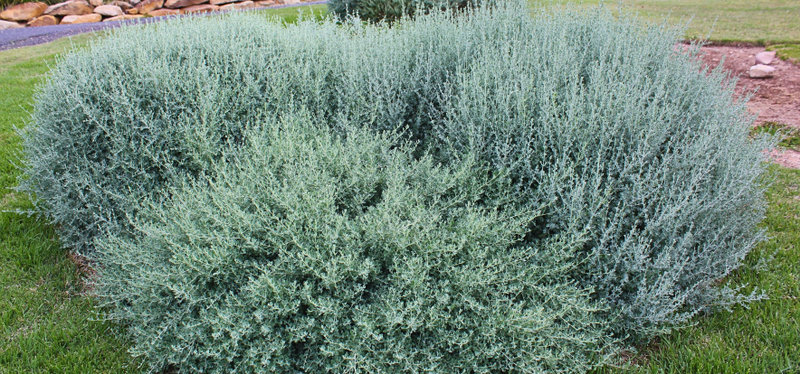
Rhagodia spinescens ‘SAB01’ PBR Trade Name Aussie Flat Bush™ & Rhagodia spinescens ‘SAB02’ PBR Trade Name Aussie Hedge Bush™
Saltbush brings the blue-grey tones that look so at home beside sand, stone and weathered timber. Aussie Flat Bush™ Rhagodia grows as a shrubby groundcover, providing a low spreading layer for banks and mass planted beds. Aussie Hedge Bush™ Rhagodia grows as a taller mound ideal for rounded shrubs, hedges and low windbreaks.
Aussie Flat Bush™ plant page
Aussie Hedge Bush™ plant page
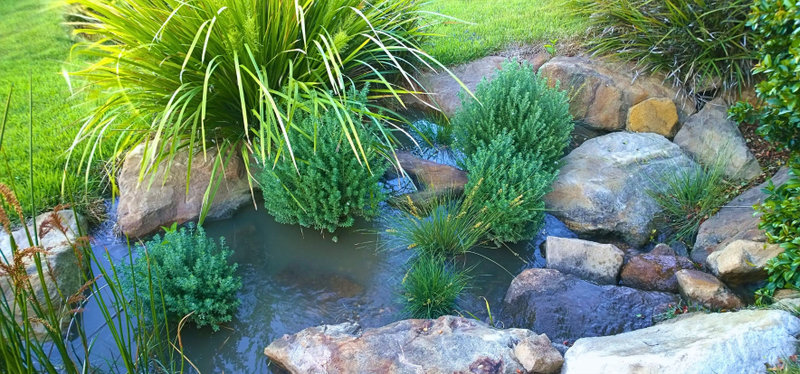
Westringia fruticosa ‘WES05’ PBR Trade Name Mundi™ & Westringia fruticosa ‘WES04’ PBR Trade Name Grey Box™
Coastal rosemary is a familiar choice for salt-laden winds, but if you’ve got soils that experience periodic flooding they are generally unable to perform, with two specific exceptions. The shrubby groundcovering or mounding Mundi™ Westringia and the Australian box-or-ball-shaped Grey Box™ Westringia are unusual selections that have performed well in Ozbreed’s wet-soil and flood trials while retaining drought tolerance.
Mundi™ plant page
Grey Box™ plant page

Callistemon viminalis ‘CV01’ PBR Trade Name Slim™
A windbreak can help create more comfortable conditions for people and planting behind it. Slim™ Callistemon offers a tall narrow screen useful where a broader hedge would take up too much garden space. It also tolerates drought and flooding. Use it as a wind-filtering screen in suitable coastal gardens, with additional shelter where direct salt spray is severe.
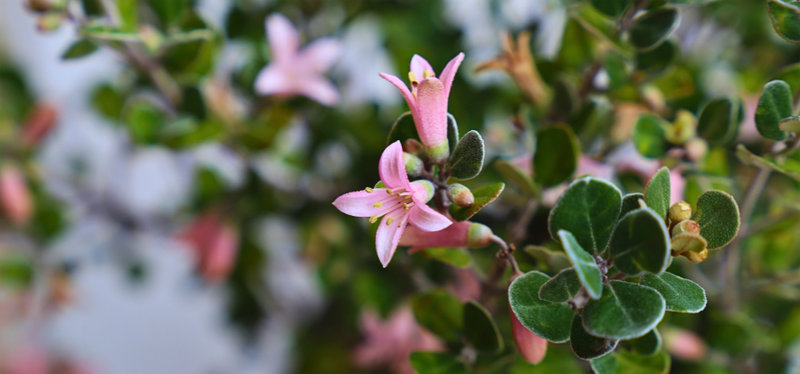
Correa alba ‘COR10’ PBR Trade Name Coastal Pink™
For cooler coastal regions, Coastal Pink™ Correa combines grey-green foliage with flowers that have a more noticeable pink tinge than other forms of Correa alba. It copes with coastal winds and has a form suitable for balls or screening hedges.
About Ozbreed
Ozbreed breeds high performing plants for functional Australian landscapes. Our selection process includes trials for challenging conditions such as heat, frost, drought and wet soils, helping identify plants that offer more than good looks. Choose an Ozbreed plant suited to your climate, soil and coastal exposure, and build a garden that looks at home by the sea.
For media interviews and high-res images contact Dan Fuller at horticulture@ozbreed.com.au.