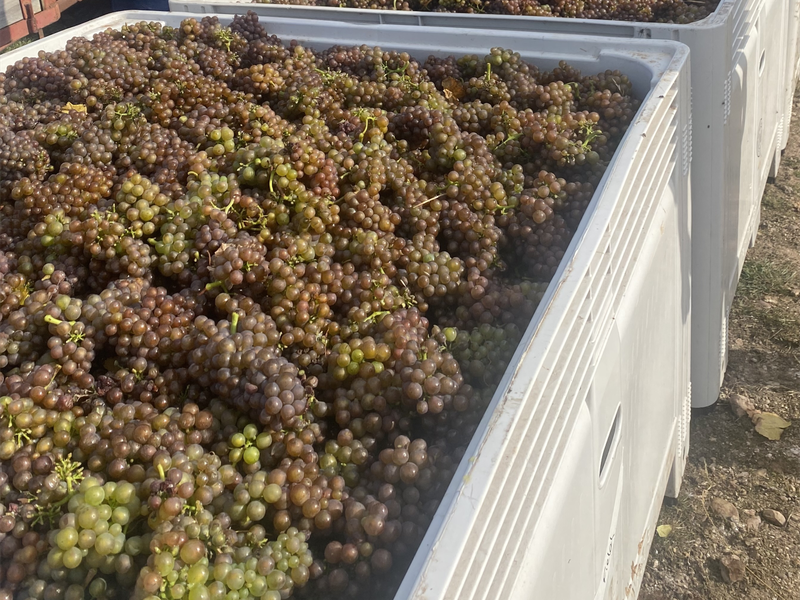
Smoke taint can affect the quality of the grape harvest for wine making. Smoke events during harvest are an ever-present threat as picking coincides with both the end of the summer bushfire period and, later in autumn, with ideal times to conduct controlled burns. The threat of smoke taint is a barrier against investment in the industry.
Current options for remediation have focused on removing smoke-taint compounds using activated carbon, but these methods have also stripped out important flavour and aroma compounds. Researchers are looking at other ways to manage smoke-tainted grapes and a recent report from the Tasmanian Institute of Agriculture suggests a breakthrough.
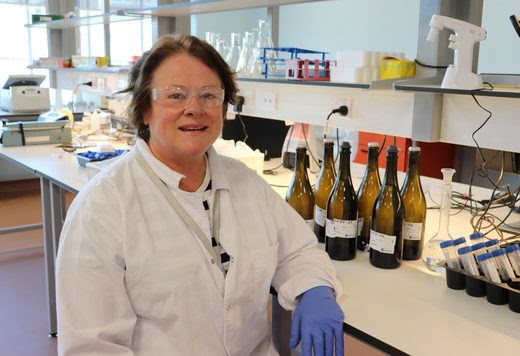
PhD candidate Alison Ctercteko has identified a way to remove smoke taint compounds from sparkling wine. A 10-year research trial is assessing producing sparkling wine from smoke affected wine grapes, and the sensory impact of smoke compounds on sparkling wine during the ageing process.
“It’s a matter of reducing the smoke taint while retaining as much of the desirable aromatics of the wine as possible. I’ve got to make sure I’m retaining the lovely Pinot Noir or Chardonnay fruit flavours in the wine and I’m not stripping them out,” she said.
“I’ve been using different levels of smoke taint, different varieties of grapes and the methods appear to be working.”
As well as offering hope to Australian vineyards, the research has potential for international impact as more regions globally become impacted by smoke taint from bushfires because of climate change.