Our 2026 Gold Laurel winner, Attila Kapitany, who couldn’t make it to the presentation night on September 3, shares a few words and photographs to explain his absence from the awards night in Adelaide.
I would like to sincerely thank the Horticultural Media Association Australia for the Gold Laurel Award I was awarded. I am deeply honoured to receive it, especially from an organisation that represents and supports our industry with excellence.
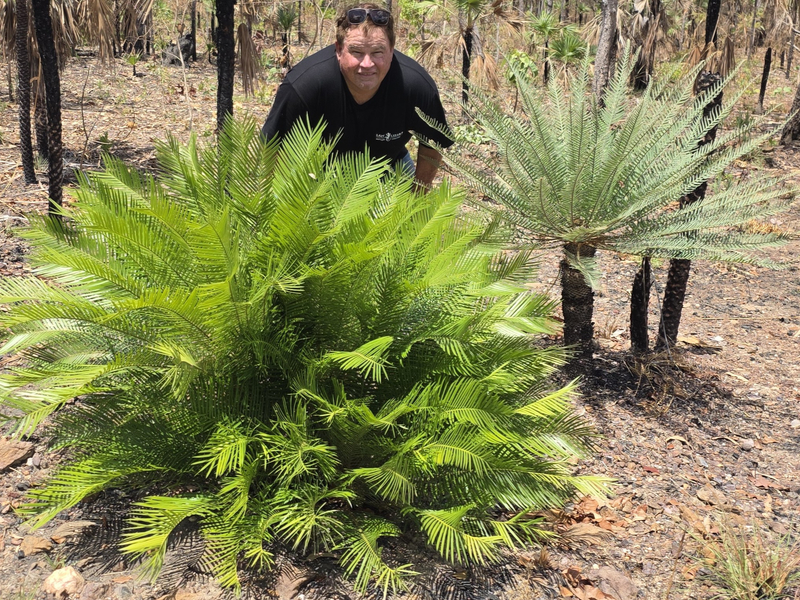
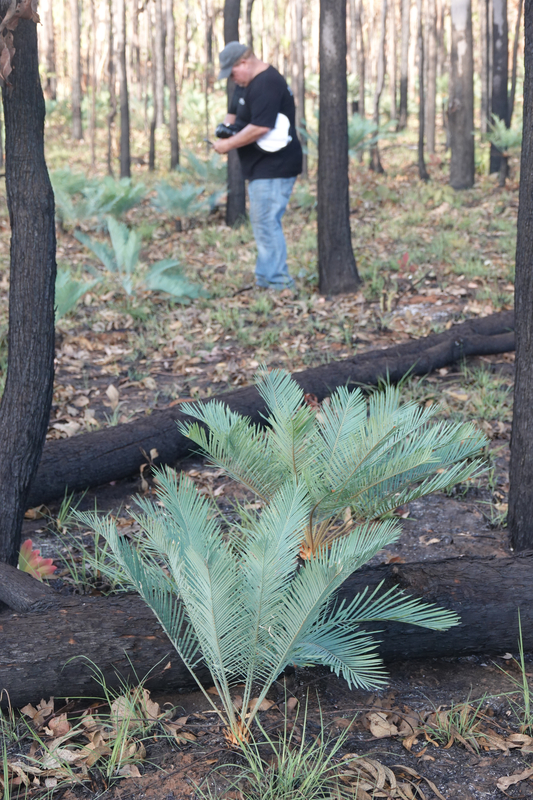
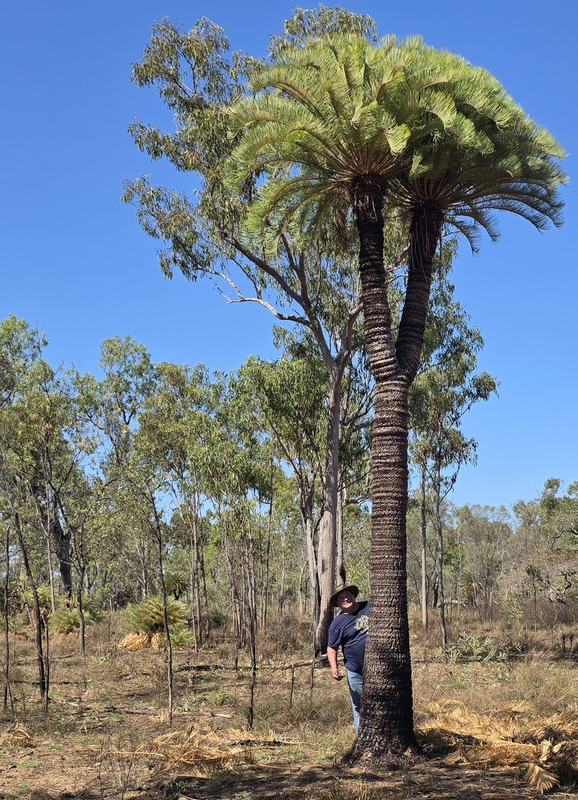
I would have dearly loved to have been at the ceremony in Adelaide, but a complex research trip planned many months ahead put me in remote areas on the other side of Australia at the time of the HMAA Awards night. The reason for my trip was primarily researching Australia’s native cycads.
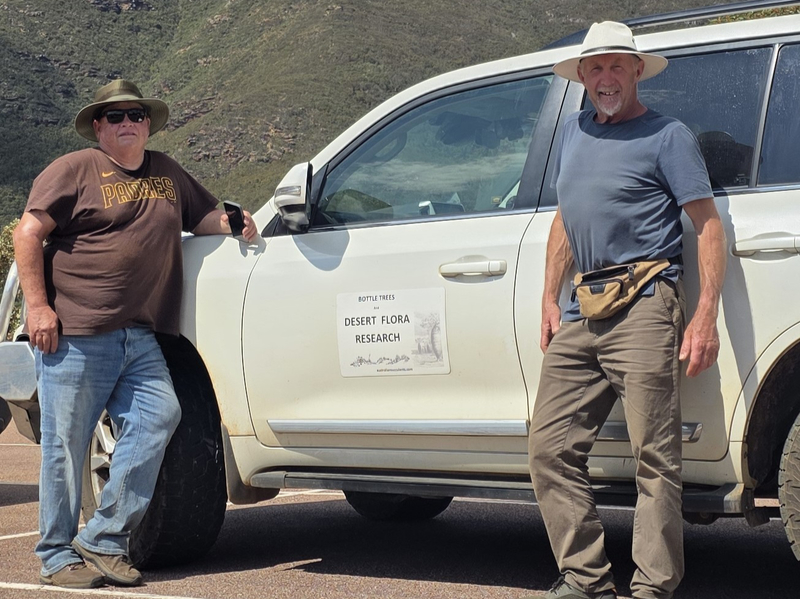
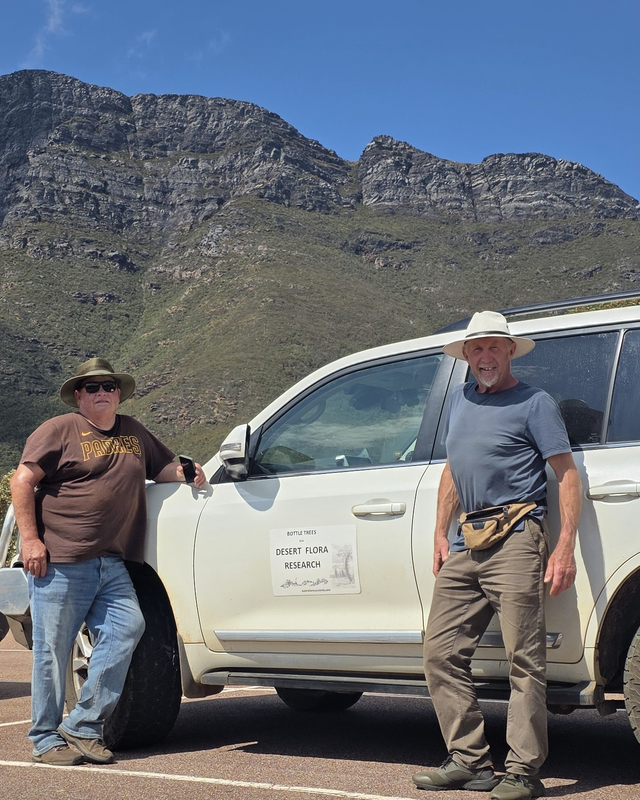
My fellow researcher, Kelly Griffin from the US, is a prominent person in the plant development and research field, a conservation officer and an executive member of America’s largest cactus and succulent organisation. He had a strict time schedule for his Australian visit including choosing the best season to travel for our research – which clashed with the Laurels.
Kelly has visited Australia many times and has taken a great interest in our dry climate flora especially rare and endangered cycads. He has travelled with me to many cycad habitats and assisted me greatly over the years, which culminated in my older publication, Australian Cycads an Introduction. I’ve since been drafting a revision and expanded edition, primarily to include greater emphasis on conservation. The new larger publication will be co-authored with Kelly Griffin and benefit from his special expertise in conservation and tissue culture of rare and endangered plants from around the world. This was a very a very important trip to bring this all together.
Once again, under any other circumstances, I would have loved to have been able to accept this important award in person and express my gratitude and talk all things plants!
More about Kelly Griffin’s work
There are many cactus and succulent societies in the US. The societies also have international members so are large organisations that collectively operative through a national body that prioritises in-situ and ex-situ conservation. This includes educational roles for the membership and to the wider community.
They are a charity and use funds raised to facilitate a wide range of conservation projects around the world in arid or semi-arid regions. In Africa they purchase small plots of land where extremely rare and isolated populations of plans exist, and pay for fencing, gates and security cameras.
Often it is poachers who sell the plants on the black market and so are the greatest threat. The organisation that Kelly Griffin helps spearhead, involves contacting and educating farmers and rural villages about high-priority rare plants on their land or close by. Kelly is part of a team that works in Africa and in South America, notably the Atacama Desert in Chile. He and his team also help fund publications that focus heavily on conservation issues.
Kelly has also co-authored a monograph on the genus Dudleya, which includes numerous extremely rare species. Kelly has now taken a great interest in Australian dry-climate flora and last year invited me to give a presentation in person to an international conference presenting our unique and rare cycads. His recent trip was very important with an almost total focus on conservation.