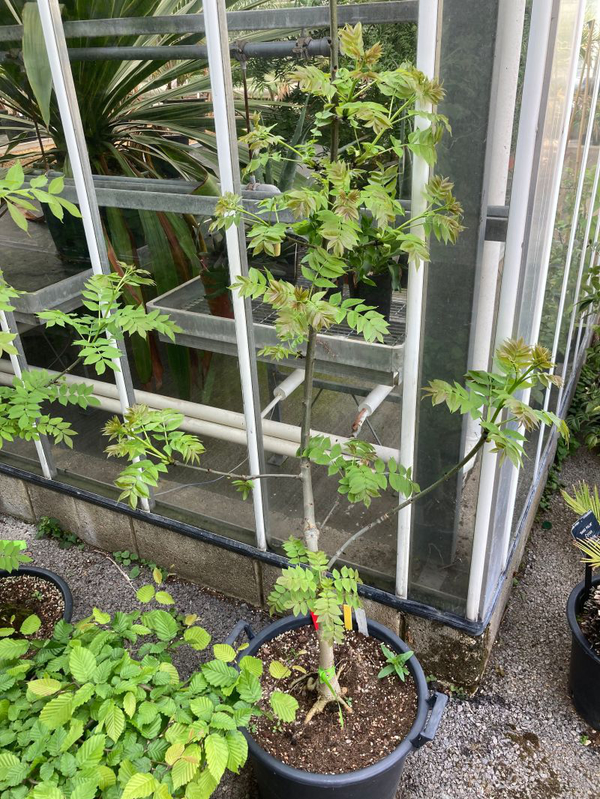
Could extra genes in some ash trees hold the genetic clues to protecting the next generation from ash dieback disease? New research offers hope.
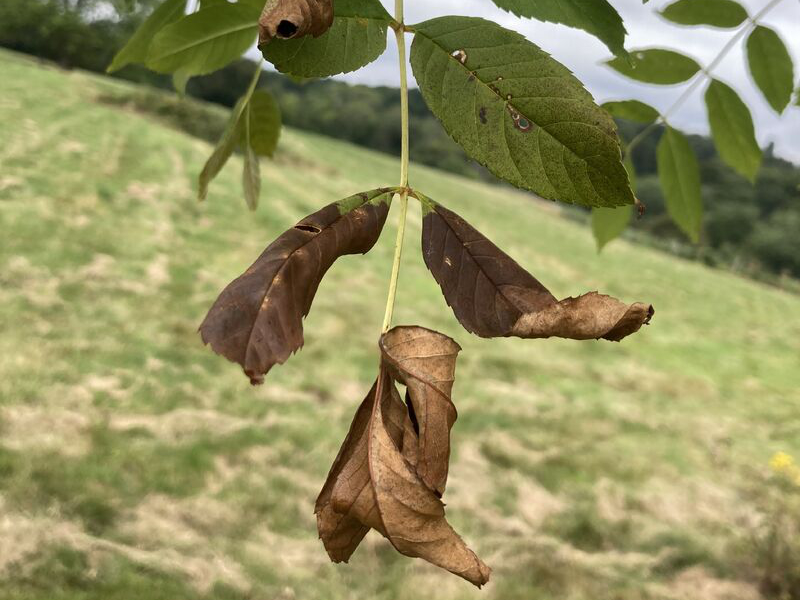
Ash dieback has killed millions of trees across Britain. Yet after long-term exposure to the disease, a tiny proportion of ash trees remain healthy.
Now, scientists from Kew, Forest Research and collaborators have created the first European ash pangenome – bringing together DNA from 50 trees from across Europe, with a focus on the UK, to capture large-scale genetic differences that a traditional single genome can miss. 🧬
Using this new resource to analyse genomic data from more than 1,000 ash trees, researchers identified 211 genes with possible links to ash dieback resistance.
Intriguingly, 16 of these genes were only present in some trees.
Understanding these differences could, in turn, help researchers identify naturally less susceptible trees from their DNA and support efforts to breed more resistant ash populations.
And the potential goes beyond ash dieback. The pangenome could also help scientists investigate resilience to environmental change and other threats, including the emerald ash borer beetle.
The research was conducted as part of the Defra-funded Centre for Forest Protection.
Find out more about this new research
https://ow.ly/uXut50ZMA6y