Heading to London for the first time, I was looking forward to visiting its famous parks and gardens. Only having a day and a half in this city, we decided to visit Hyde Park given its proximity to our accommodation and the fact that it was on the way to the city centre.
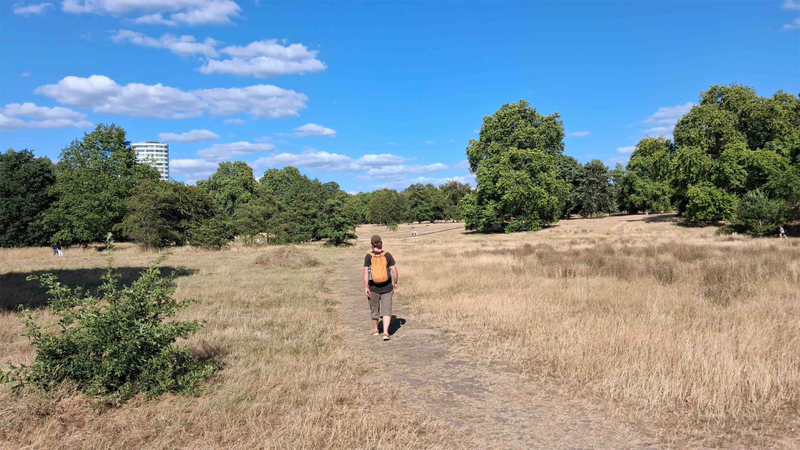
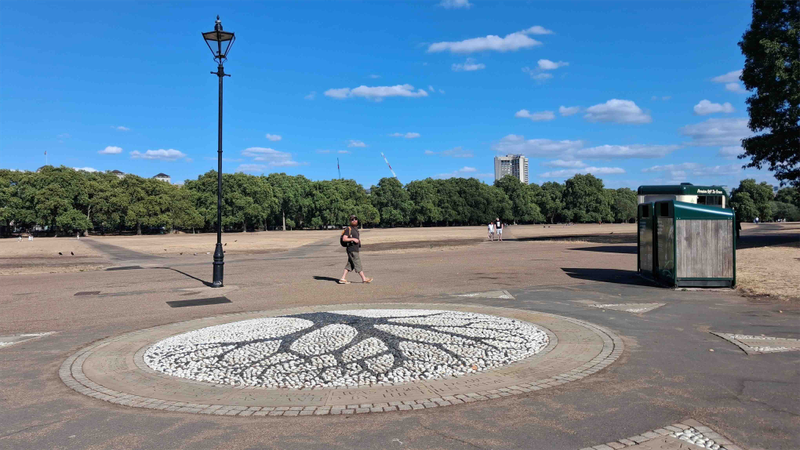
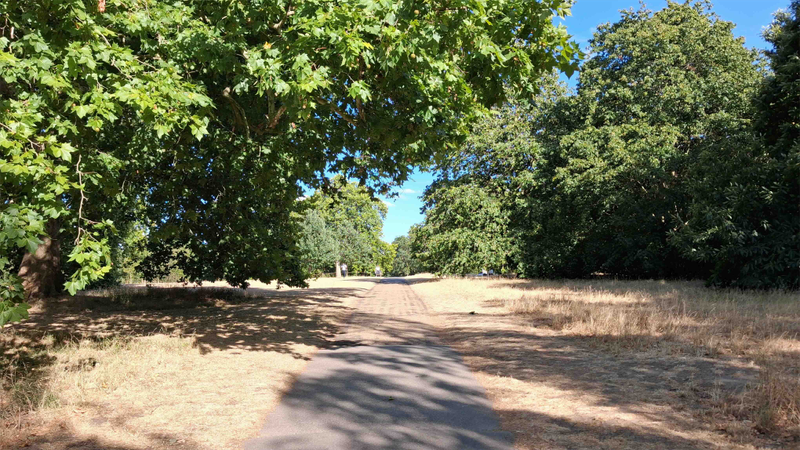
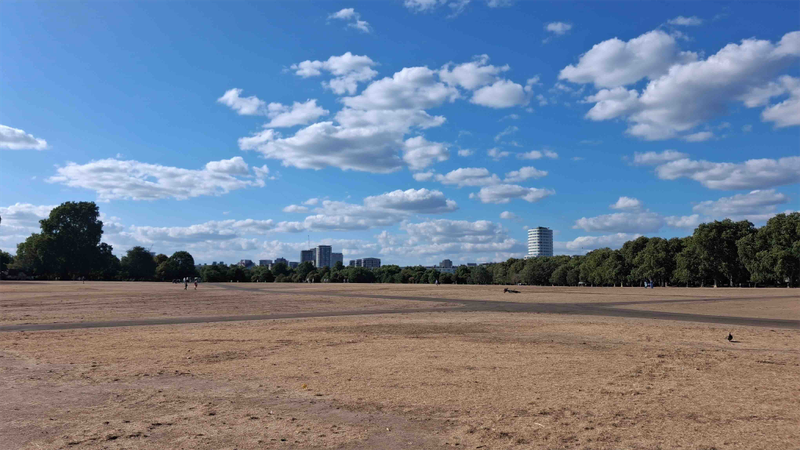
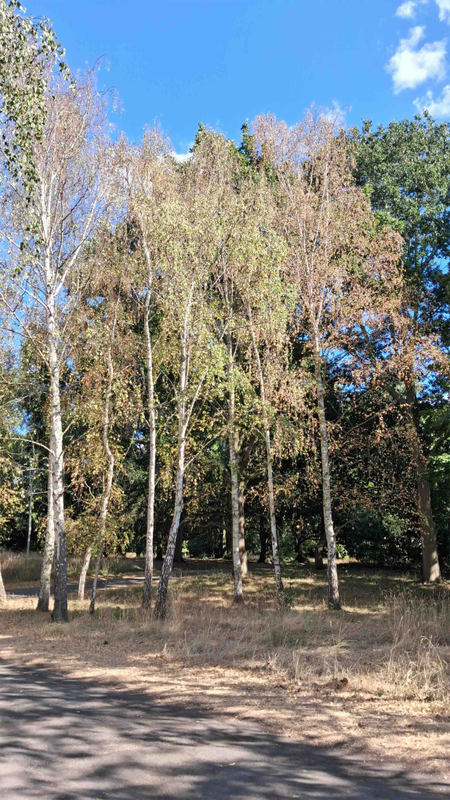
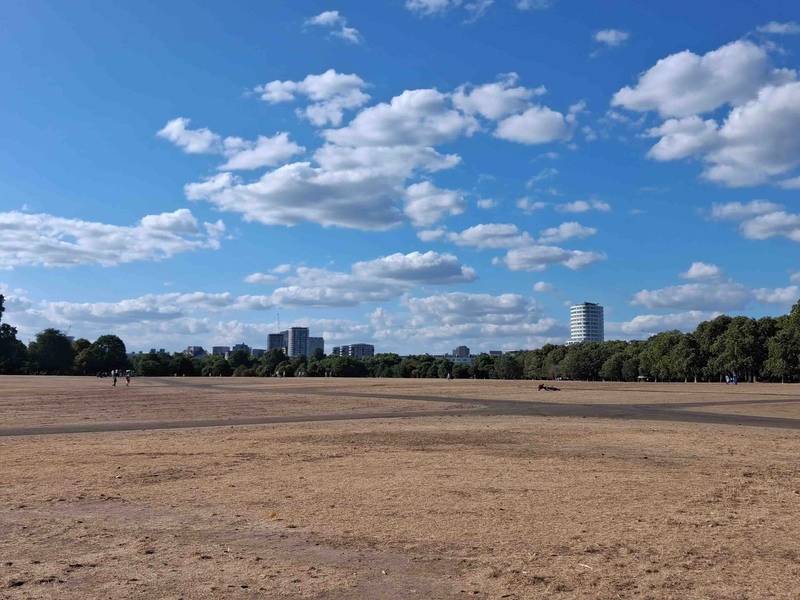
Given Europe’s recent heatwaves, I wasn’t expecting Hyde Park to be at its peak. However, what I saw there surprised me. Growing up, I always associated English public gardens with lush, manicured lawns. What I saw at Hyde Park was the exact opposite. The grass has totally dried off; I could only find a few living blades. Many of the trees were struggling, including a swathe of silver birches.
Unfortunately, Hyde Park is not the only European garden to have suffered in the recent extreme heat. Much of this continent is battling wildfires and drought. I endured two heatwaves during my time in France and Spain and saw how desiccated those countries’ landscapes have become. A photo essay in The Guardian captures the impacts that these extended dry periods have had on the European landscape succinctly and powerfully (‘Europe’s dry riverbeds and scorched earth – in pictures’, Friday, 7 August, 2026).
I was hoping to share a more uplifting postcard during my time abroad. I visited some beautiful gardens that are still looking good despite the heat. I’ll share some of those photos in our HMAA Facebook group shortly. However, my time in Hyde Park reminded me that climate change is real and happening now. As horticulturists with a media voice, we have a duty to share this type of information sensitively and in an evidence-based fashion to ensure that our audiences can prepare for an even more climate-constrained future. Sometimes though, a picture says more than a thousand words…
How are you preparing your gardens for this and future summers?
Image credits
All photos courtesy of the author