Tasmanians who sell or give away excess home-grown berries, leafy greens or melons could be affected by proposed new food safety regulations now open for public comment. Jennifer Stackhouse reports.
Biosecurity Tasmania has released Phase 2 of the draft Primary Produce Safety (Horticulture Produce) Regulations 2026, designed to bring Tasmania into line with national Food Standards Australia New Zealand requirements for higher-risk fresh produce.
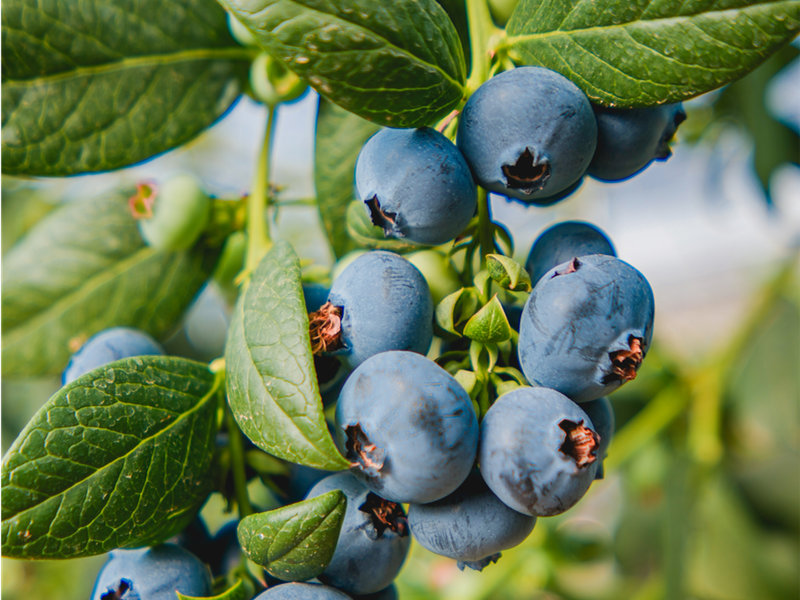
The revised draft regulations focus on berries, leafy vegetables and melons, which are often eaten raw and have been linked in Australia and overseas to food-borne illness outbreaks when contaminated by unsafe water, manure or handling.
Public consultation opened on 18 June and submissions close at 5pm on 30 July 2026. Biosecurity Tasmania says feedback from a first round of consultation in 2025 has led to changes including a tiered accreditation and fee model, a new notification category and the exclusion of nursery stock.
Key issue for home-grown produce
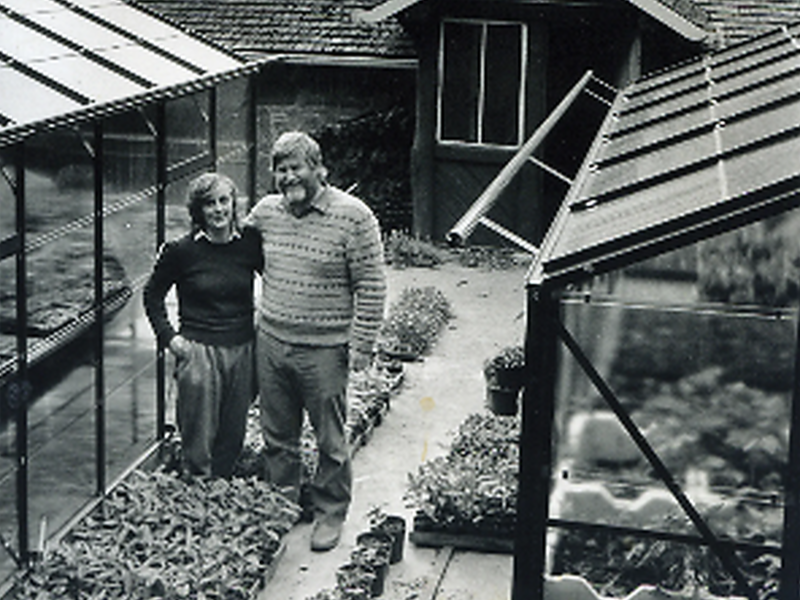
For home gardeners, the key issue is whether surplus produce remains for private use or is supplied more broadly. Under Biosecurity Tasmania’s outline, home horticulture for non-commercial use is not expected to attract fees or accreditation. However, people supplying excess produce at a roadside stall, to a business, at a market, produce swap, garden club meeting, community food bank or through retail or wholesale channels will need to notify Biosecurity Tasmania of their details and activities.
Leafy vegetable and melon producers below one hectare would fall into a no-fee notification category, while berry producers would also be covered by notification requirements regardless of scale. Larger commercial leafy vegetable and melon producers would face accreditation, annual fees and auditing requirements.
The proposal has prompted concern that this regulation could discourage community sharing of fresh produce through crop swaps, neighbourhood houses, food relief services and small roadside stalls. Gardeners commonly pass on surplus produce to reduce waste and improve access to fresh food.
Biosecurity Tasmania says the regulations are intended to improve food safety and traceability, not to stop people growing food at home. The agency has indicated there will be a 12-month transition period after the regulations begin, with education to help small producers understand their obligations.
Implementation and submissions
The changes are planned for implementation in the final quarter of 2026, subject to consultation and final approval. Current producers applying for accreditation within the first four months after implementation would have initial application fees waived.
Submissions can be lodged online or emailed to product.integrity@nre.tas.gov.au before the 30 July deadline.