
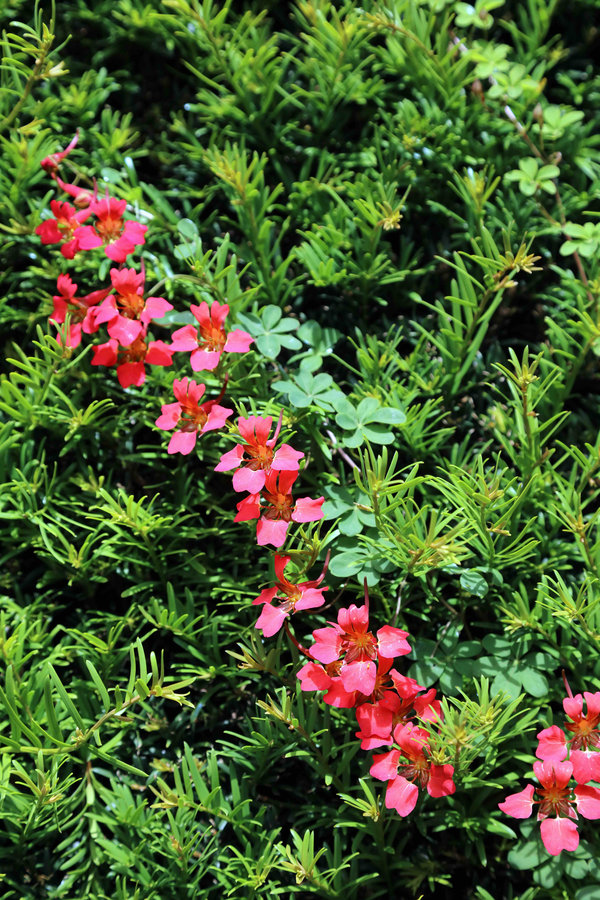
New Zealand’s Environmental Authority (EPA) has approved the release of a leaf-feeding beetle to combat the invasive weed Chilean flame creeper (Tropaeolum speciosum). The report was carried in the current (April-May issue) of Commercial Horticulture.
The NZ EPA says this pest plant, a climbing perennial from the nasturtium family and native to South America, spreads quickly and smothers native plants. It is now a threat in many regions, especially Southland, Otago, and Canterbury. It can be found on Stewart Island and the Chatham Islands and is becoming a problem in Manawatū-Whanganui.
Advisory group Weedbusters says the flame creeper plants, which are spread by birds dispersing seed, are “extremely hard to kill. Rootstock and stems resprout” and “no fully effective herbicide treatment is known.”
EPA Acting Manager of New Organisms and International Applications, Peter Day, says the leaf-feeding beetle offers a low-maintenance solution and can reach plants in hard-to-access areas.
“The risk assessment provided by the applicant (Environment
Southland on behalf of the National Biocontrol Collective) showed that the Chilean flame creeper leaf beetle is highly unlikely to harm native plants or animals. It also does not bite or sting, so there is no health risk to people.”
In recent years the EPA has approved other biocontrol agents for weeds such as Darwin’s barberry, purple loosestrife, old man’s beard, Sydney golden wattle, and moth plant.